Source Hex Machine Bolt for Machinery, Chemical, and Building
Find and compare 30 hex machine bolt options from Chinese manufacturers. These fasteners, available in grades 8.8 and 10.9, serve machinery, chemical, and building applications. Review specifications like DIN standards and surface treatments to select the right OEM or ODM supplier.
Key considerations
Products List


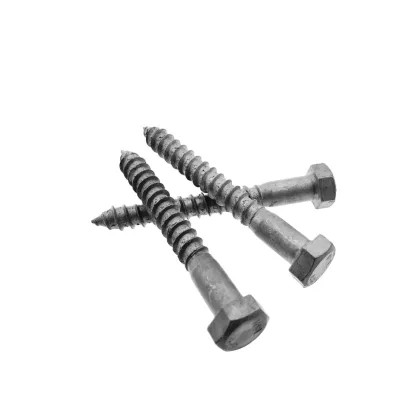


Comprehensive Sourcing Guide
Hex Machine Bolt Sourcing Guide
Sourcing hex machine bolts requires a disciplined approach to aligning technical specifications with commercial realities. Buyers must navigate a market where product names vary significantly, ranging from generic "weld bolts" to specific assemblies like hexagon head washer sets. The core keyword, hex machine bolt, often overlaps with heavy hex structural bolts and DIN-standard fasteners, creating ambiguity in initial supplier searches. To mitigate this risk, procurement teams should prioritize suppliers who explicitly define their product models, such as DIN931 or DIN960, rather than relying on broad category titles. This precision ensures that the fasteners received match the engineering drawings and load-bearing requirements of the final assembly.
Beyond nomenclature, the geographic origin of supply plays a critical role in logistics and quality consistency. A significant portion of available inventory originates from Wenzhou, Zhejiang Province, and broader China, regions known for high-volume manufacturing capabilities. Buyers should verify the specific factory location to assess supply chain resilience and lead time accuracy. While many suppliers claim a thirty-day delivery window, others offer expedited ten-to-fifteen-day turnaround times. Understanding these variations allows procurement managers to build realistic inventory buffers and avoid production stoppages caused by shipping delays or customs hold-ups.
Product Scope and Observed Listing Signals
The observed product landscape reveals a wide spectrum of fastener types under the hex machine bolt umbrella. Listings frequently include hexagon head washer assemblies with plain washers, indicating that buyers often need complete connection systems rather than isolated bolts. Additionally, head styles vary, with hexagon flange heads and standard hexagonal heads being common offerings. These variations impact the clamping surface and load distribution, making it essential for engineers to specify the exact head type required for their application. The presence of customizable packing options, such as cartons with plastic bags or bulk boxes, suggests that suppliers are flexible regarding logistics but require clear instructions to prevent damage during transit.
Material grades and surface treatments are prominent signals in current listings, with grades 8.8 and 10.9 being frequently cited. These grades indicate tensile strength and yield properties, which are critical for structural integrity in machinery and chemical industry applications. Surface treatments like black oxide are commonly applied to enhance corrosion resistance and aesthetic appeal. Buyers must cross-reference these material claims with their specific environmental exposure requirements. For instance, while black oxide provides basic protection, it may not suffice for harsh chemical environments without additional coating or material selection, such as stainless steel variants often associated with A307 standards.
Technical Specifications to Verify
Verifying thread standards and dimensions is the first step in technical validation. Listings show standards ranging from M6 to M100, with specific examples like M630 and M1025. Buyers must confirm whether the supplier adheres to DIN, GB, ANSI, or JIS standards, as thread pitch and tolerance vary significantly between these systems. Using the wrong standard can lead to assembly failures or cross-threading issues. It is crucial to request detailed dimensional drawings for the specific model, such as DIN931 or DIN7991, to ensure compatibility with existing tooling and mating components. This verification prevents costly rework and ensures seamless integration into the manufacturing process.
Manufacturing processes also dictate the mechanical properties of the final product. Cold forging and hot forging are the primary methods observed, each offering distinct advantages in grain structure and strength. Cold forging typically provides better surface finish and tighter tolerances, while hot forging is suitable for larger diameters and higher strength grades. Buyers should inquire about the specific forging process used for their order, especially for high-load applications. Additionally, the hardness range of HRC 22-32 mentioned in some listings indicates a specific heat treatment profile. Confirming that the heat treatment aligns with the specified grade ensures that the bolts will perform reliably under stress without brittle failure.
Compliance and Safety Documentation
Quality control documentation is a non-negotiable aspect of sourcing hex machine bolts. Many suppliers claim 100% inspection and QC testing, which should be verified through third-party audits or sample testing. Buyers must request detailed inspection reports that cover dimensional accuracy, tensile strength, and hardness tests. These documents provide evidence that the products meet the specified grade and standard requirements. Without rigorous quality control, even high-grade bolts can fail prematurely due to manufacturing defects. Establishing a clear protocol for incoming quality inspection helps mitigate the risk of receiving substandard materials that could compromise the safety and longevity of the final product.
Certification status further validates the supplier’s commitment to quality management systems. ISO9001 and ISO9001:2008 certifications are commonly cited, indicating that the supplier follows standardized processes for production and quality assurance. Buyers should verify the validity of these certificates and ensure they cover the specific products being ordered. Additionally, while RoHS compliance is mentioned in background data, it is not a primary focus for standard structural bolts unless specified for environmental regulations. Clarifying regulatory requirements early in the sourcing process ensures that all compliance documentation is in place, facilitating smoother customs clearance and acceptance by end-users in regulated industries.
Cost Drivers and Commercial Terms
Pricing for hex machine bolts is influenced by material costs, order volume, and customization requirements. The observed price range of 0-1000 USD likely reflects bulk pricing for large orders rather than unit costs for small samples. Buyers should expect minimum order quantities (MOQ) to vary, with some suppliers requiring 1000 or 2000 pieces, while others may accept lower volumes for custom specifications. Understanding the MOQ structure helps in planning inventory levels and negotiating better terms for recurring orders. It is also important to clarify whether the quoted price includes packaging, shipping, and taxes, as these factors can significantly impact the total landed cost.
Delivery terms and payment conditions are critical components of the commercial agreement. Suppliers offer various delivery methods, including sea, air, and express services, each with different cost and time implications. Sea freight is cost-effective for large volumes but requires longer lead times, while air freight offers speed at a higher price. Buyers should align the delivery method with their production schedule and inventory strategy. Additionally, negotiating favorable payment terms, such as partial upfront payment and balance against shipping documents, can improve cash flow management. Clear communication regarding delivery times, typically ranging from ten to thirty days, helps in setting realistic expectations and avoiding penalties for late deliveries.
Supplier Qualification and Quality Control
Evaluating supplier experience and manufacturing capabilities is essential for long-term partnership success. Suppliers with twenty years of experience often demonstrate stability and expertise in handling complex orders. Buyers should assess the supplier’s ability to provide OEM and ODM services, which indicates flexibility in meeting specific design requirements. Customization options, such as adjustable packing and specific thread types, are valuable for unique applications. However, buyers must ensure that customization does not compromise quality or lead times. Requesting samples before placing large orders allows for practical testing and verification of the supplier’s claims regarding product quality and performance.
Quality control processes should be transparent and verifiable. Buyers should inquire about the supplier’s internal quality management systems and how they handle non-conforming products. A robust quality control system includes regular audits, statistical process control, and traceability of materials. Suppliers who offer 100% inspection provide an additional layer of assurance, but buyers should also conduct their own incoming inspections. Establishing a clear communication channel for quality issues ensures that problems are addressed promptly. Building a relationship based on mutual trust and rigorous quality standards reduces the risk of supply chain disruptions and ensures consistent product performance.
Long-Term Procurement Checks
Continuous monitoring of supplier performance is vital for maintaining supply chain integrity. Buyers should track key performance indicators such as on-time delivery, defect rates, and responsiveness to issues. Regular audits and site visits can provide insights into the supplier’s operational efficiency and commitment to quality. Additionally, staying informed about changes in industry standards and regulations ensures that the sourced bolts remain compliant with current requirements. Engaging in periodic reviews of the supplier’s capabilities helps identify opportunities for improvement and innovation. This proactive approach fosters a collaborative relationship that benefits both parties and supports long-term procurement goals.
Market dynamics and material price fluctuations can impact the cost and availability of hex machine bolts. Buyers should maintain a diversified supplier base to mitigate risks associated with single-source dependencies. Regularly evaluating alternative suppliers and negotiating competitive terms helps in securing favorable pricing and service levels. Additionally, investing in relationship management and clear communication channels enhances collaboration and problem-solving efficiency. By focusing on strategic sourcing practices and continuous improvement, buyers can ensure a reliable supply of high-quality hex machine bolts that meet their technical and commercial requirements.
FAQs
What certifications are available for hex machine bolts?
ISO9001 and ISO9001:2008 certifications are available for these fasteners. These standards ensure consistent quality control and manufacturing processes. Buyers can verify supplier compliance through documented certificates. This helps in selecting reliable partners for industrial applications requiring strict adherence to quality management systems.
Can I request custom packaging for bulk orders?
Yes, customizable packaging options are available for bulk orders. Suppliers offer solutions such as cartons with plastic bags or bulk packing in small boxes. This flexibility allows buyers to protect products during transit and meet specific logistical requirements. Customization ensures safe delivery and efficient storage at the destination warehouse.
What is the typical delivery time for these bolts?
Typical delivery times range from 10 to 30 days depending on order volume. Some suppliers offer faster turnaround within 10-15 days for standard items. Longer lead times may apply for customized specifications or large quantities. Buyers should confirm exact schedules with manufacturers to align with project timelines and avoid production delays.
Which standards apply to hex machine bolt specifications?
Common standards include DIN, GB, ANSI, and JIS for these fasteners. Specifications cover various sizes from M3 to M100 and specific models like DIN931 or DIN960. These standards ensure compatibility with international machinery and construction projects. Buyers can select the appropriate standard based on regional regulations and engineering requirements for their specific application.
What is the minimum order quantity for these bolts?
Minimum order quantities typically start at 1000 or 2000 pieces. Some suppliers may accept lower MOQs for sample orders or specific customizations. Bulk pricing often applies for larger volumes exceeding these thresholds. Buyers should verify MOQ requirements with manufacturers to ensure cost-effectiveness and availability for their initial procurement needs.
Are samples available for quality verification before bulk purchase?
Samples are available for quality verification before committing to bulk purchases. This allows buyers to inspect material grade, surface treatment, and dimensional accuracy. Testing ensures the fasteners meet specific application requirements. Suppliers usually provide samples to facilitate informed decision-making and reduce the risk of receiving non-conforming products in large orders.